Protecting Equipment and Materials: The Role of Temporary Fencing in Job Site Security

Construction sites are frequent targets for theft and vandalism. Stolen tools, equipment, and materials lead to project delays and financial losses. Temporary fencing provides a physical barrier that helps control access and deter unauthorized entry. Choosing the right fencing setup enhances security and reduces risks.
Securing the Perimeter
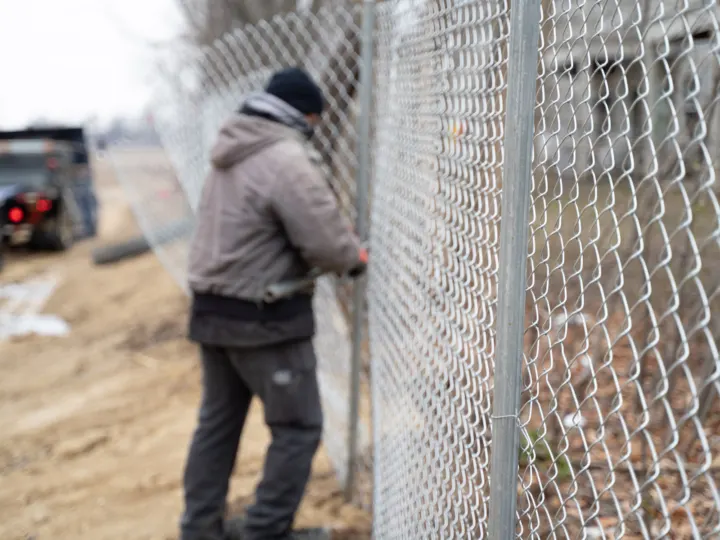
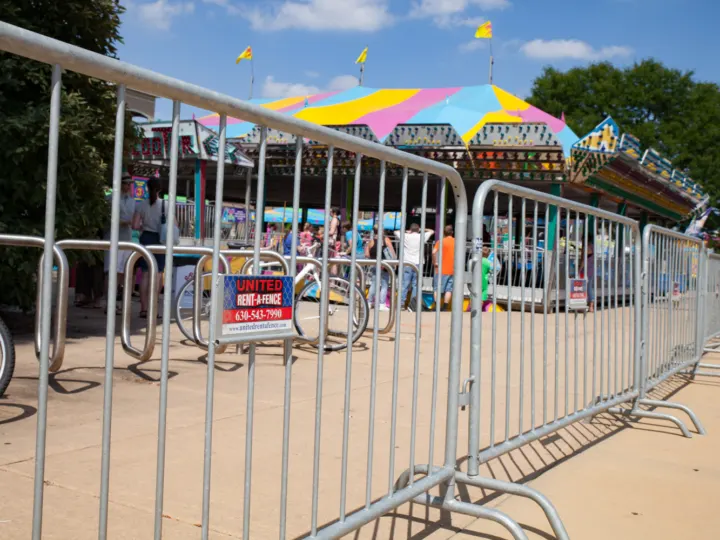
A well-planned fencing layout creates a defined boundary that limits entry points. Post-driven chain link fencing offers stronger security by anchoring into the ground, making it difficult to move or cut. Panel fencing provides flexibility for short-term projects but may require additional reinforcement in high-risk areas.
For added security:
- Eliminate gaps – Ensure fencing sections are properly connected with no spaces for easy access.
- Reinforce weak points – Secure panel fencing with sandbags or stabilizers to prevent movement.
- Limit entry points – Fewer access gates reduce the risk of unauthorized personnel entering unnoticed.
Access Control and Monitoring
Controlled access prevents unauthorized individuals from entering the site. Gates with padlocks, keypads, or RFID access systems help regulate entry. For high-value projects, security personnel can monitor access points.
Other measures to enhance site security include:
- Surveillance cameras – Placed along the fence line, cameras provide real-time monitoring and recorded footage.
- Motion-activated lighting – Bright lighting discourages trespassing after hours.
- Warning signs – Posted notices inform trespassers that the site is monitored and unauthorized access is prohibited.
Protecting Tools, Equipment, and Materials
Larger equipment like generators, loaders, and excavators should be parked within the fenced perimeter when not in use. Smaller tools and materials should be stored in locked containers or designated secure zones.
To reduce theft risk:
- Use locked storage – Shipping containers or on-site tool cribs provide an extra layer of protection.
- Track equipment – GPS tracking devices on high-value machinery help recover stolen assets.
- Schedule material deliveries wisely – Avoid stockpiling materials too far in advance to minimize exposure to theft.
Preventing Vandalism and Liability Risks
Vandalism, such as graffiti, broken equipment, or damaged materials, adds unexpected costs. Fencing creates a barrier that discourages trespassers from causing damage. In addition to protecting property, secure fencing reduces liability risks by preventing accidents involving unauthorized individuals.
Sites located near pedestrian areas should have fencing with additional safety features, such as:
- Windscreens or privacy barriers – Prevents people from seeing valuable equipment inside.
- Reflective strips or warning signs – Increases visibility at night or in low-light conditions.
- Barriers for vehicle protection – Concrete or water-filled barricades prevent accidental vehicle entry.
Choosing the Right Temporary Fencing for Security Needs
The best fencing choice depends on project size, duration, and security requirements. Post-driven fencing provides stronger protection for long-term projects, while panel fencing works well for short-term needs with added reinforcements. Pairing fencing with gates, lighting, and surveillance strengthens overall security.
A secure job site prevents losses and keeps projects on track. Investing in the right fencing and security measures helps protect equipment, materials, and personnel from external threats.