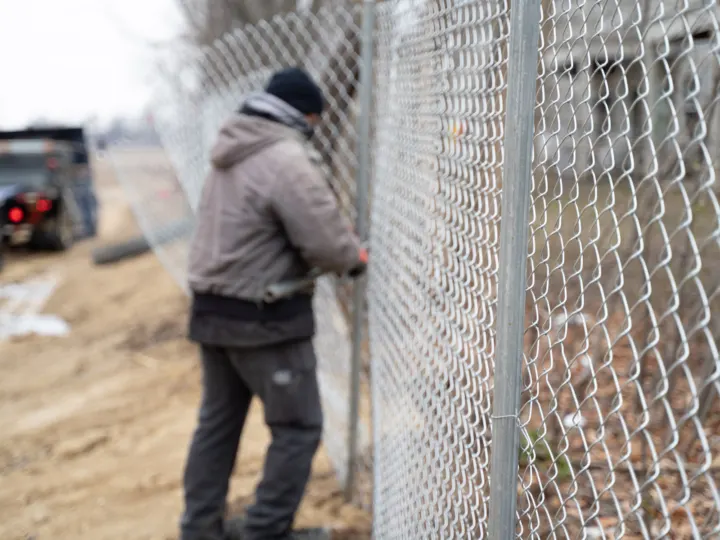
Silt Fence 101: Why Sediment Control is Critical for Compliance and Environmental Protection

Construction projects disturb soil, increasing the risk of erosion and sediment runoff. Silt fencing helps prevent sediment from leaving a site and entering storm drains, waterways, or adjacent properties. Proper installation and maintenance ensure compliance with environmental regulations while reducing the impact on surrounding areas.
How Silt Fencing Works
Silt fences are made of permeable geotextile fabric supported by wooden or metal stakes. The fabric slows water flow while trapping sediment, allowing clean water to filter through. This barrier helps control erosion, especially in areas with loose soil or slopes.
Regulatory Compliance
Local, state, and federal agencies require sediment control measures on construction sites. Failing to use proper erosion control can lead to fines, work stoppages, and environmental damage. Key regulations include:
- EPA Clean Water Act – Mandates sediment control to protect waterways from construction runoff.
- Stormwater Pollution Prevention Plans (SWPPP) – Requires sites to implement erosion control measures like silt fencing.
- Local building codes – Set guidelines for fence placement, installation depth, and maintenance.
Construction sites near wetlands, lakes, or rivers may have stricter requirements. Checking local regulations before installation ensures compliance.
Proper Installation for Maximum Effectiveness
A silt fence only works if installed correctly. Common mistakes, such as shallow trenching or improper staking, reduce effectiveness. Best practices include:
- Trenching at least six inches deep – Burying the fabric prevents water from flowing underneath.
- Securing with wooden or metal stakes – Posts should be spaced no more than six feet apart.
- Positioning along slopes and drainage areas – Placing fences where runoff is most likely ensures better control.
- Avoiding gaps and tears – Overlapping fabric at seams prevents weak points.
Silt fences should not be placed in areas with high water flow, as excessive pressure can cause failure. For steep slopes or heavy runoff zones, additional erosion control measures may be needed.
Ongoing Maintenance and Replacement
Regular inspections ensure silt fencing remains effective throughout the project. Heavy rain or prolonged use can weaken the material, requiring repairs or replacement.
Routine maintenance includes:
- Removing accumulated sediment – Excess buildup reduces effectiveness and can cause the fence to collapse.
- Checking for damage – Tears or loose posts should be repaired immediately.
- Ensuring proper positioning – Reinstalling or reinforcing fencing if water is bypassing the barrier.
At project completion, silt fences must be removed and sediment disposed of according to local regulations.
Choosing the Right Silt Fence for Your Site
Different sites require different silt fence types. Standard geotextile fabric works for most projects, while reinforced fencing with wire backing provides extra durability for areas with high water flow.
Sediment control is a required part of responsible construction management. Properly installed and maintained silt fencing prevents environmental damage, ensures compliance, and helps keep projects running smoothly.