
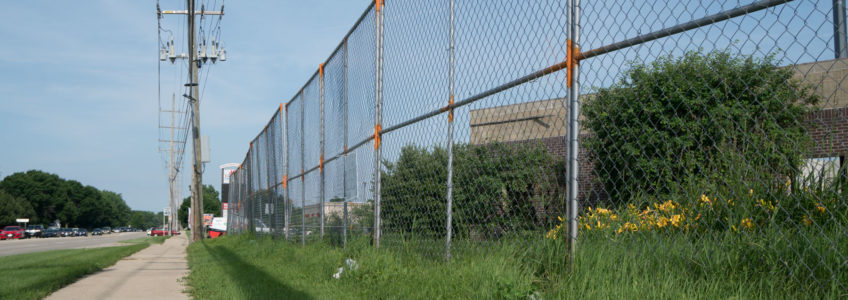
On any active construction site—especially large-scale commercial builds or multi-home developments—safety and compliance are critical from day one. Among the many moving parts project managers juggle, temporary fencing can seem like a logistical afterthought. But under OSHA regulations, a well-planned perimeter isn’t just good practice—it’s a compliance necessity. Getting it right the first time helps prevent costly fines, ensures worker safety, and sets the tone for an organized, professional job site.
The Occupational Safety and Health Administration (OSHA) outlines clear expectations regarding construction site access control. According to 29 CFR 1926, construction zones must be adequately secured to limit unauthorized access and protect both the public and those working inside the site. For larger projects with heavy equipment, active excavation, and multiple trades operating at once, temporary fencing creates essential boundaries between work zones and walkways, adjacent properties, or nearby traffic.
What OSHA Looks For in Temporary Fence Installations
While OSHA doesn’t mandate specific fencing products, the agency does require that job sites be secured to prevent passersby entry to dangerous areas. This is typically expressed as:
- Fence at least 6 feet tall (8 feet for high-traffic or high-risk environments)
- Constructed from durable material (chain link is most common)
- Securely anchored to resist wind, tampering, or equipment impact
- Equipped with clearly marked entry/exit points that remain unobstructed during work hours
Depending on the size and scope of your build, temporary fencing may also need to include privacy screens or dust control mesh to meet environmental or neighborhood standards.
If you’re operating in areas like Chicagoland, Northwest Indiana, or Southern Wisconsin, additional local regulations may apply. Some municipalities require fencing setbacks from sidewalks, designated gate signage, or even stamped permits before fencing installation. That’s where working with a vendor familiar with regional codes—like United Rent-A-Fence—can save you time and avoid delays during inspections.
Temporary Fence Solutions That Meet the Standard
We offer several practical temporary fence solutions that are not only OSHA-conscious but customizable for each job site. For commercial construction, temporary chain link panels remain the most popular option due to their fast setup and versatility. They can be configured to accommodate significant equipment entry points, pedestrian walkways, or storage zones.
In areas where long-term perimeter security is needed—such as a multi-phase residential build or infrastructure project—post-driven fence provides a more permanent solution. It’s anchored directly into the ground, offering enhanced stability and compliance longevity. Pairing that with accessories like sandbags, wind braces, or warning signage can further strengthen your setup against harsh Midwest weather and site wear.
Maintaining Compliance Over the Life of Your Project
Meeting OSHA standards isn’t just about the initial install—it’s about how your fencing performs over time. Job sites are dynamic, and fencing can shift, settle, or be unintentionally moved by workers or vehicles. That’s why we recommend regular perimeter checks, particularly after storms, concrete pours, or equipment deliveries.
Here’s a quick fence compliance checklist:
- Inspect for leaning or shifted panels
- Ensure gates open and close easily
- Check that the signage is intact and readable
- Verify that no sections are blocked or damaged
- Reinforce any areas with visible wear or movement
We also offer responsive support if your fence needs repair or adjustment. Our experienced crews can quickly correct issues to keep you in compliance and maintain a professional-looking site.
The Value of Working with a Trusted Fence Partner
When you’re responsible for managing a major build, the last thing you need is a compliance violation tied to something as avoidable as fencing. That’s why more contractors in the Midwest choose us. With experience spanning significant commercial developments, housing tracts, and infrastructure projects, we understand the demands of both OSHA and local inspection teams.
Whether you’re planning a new project or expanding an existing site, our team can provide tailored guidance on fencing layout, installation, and regulatory requirements from day one. We’ll make sure your perimeter works for your crew, protects your project, and satisfies the people reviewing your permits.
Ready to secure your upcoming job site?
Contact us today for a custom quote or to speak with our team about your OSHA compliance needs.