
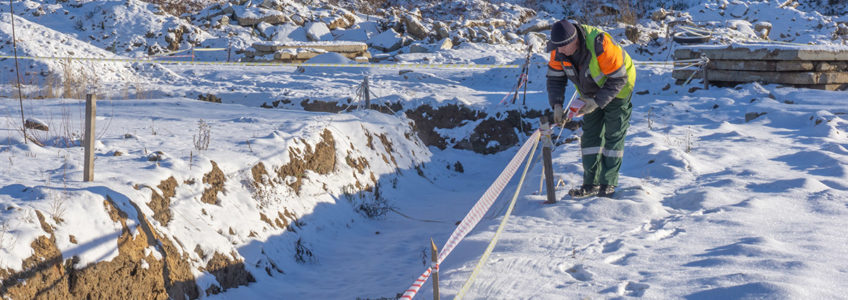
For commercial construction projects in Chicagoland, preparing for winter conditions is a critical step in ensuring worksite safety, security, and compliance with environmental regulations. Winter introduces unique challenges to large-scale construction, including heavy snowfall, ice, and freezing temperatures that can affect both the stability of temporary structures and the accessibility of equipment and materials. Among the most effective solutions for managing these challenges is installing robust, winter-ready temporary fencing—particularly post-driven chain link fencing, which offers security and resilience suited to long-term, large-scale projects.
This guide will explore best practices for winterizing commercial construction sites with durable temporary fencing, from installation and maintenance to weatherproofing strategies that protect both workers and assets throughout the season.
Why Winter-Ready Fencing is Essential for Commercial Sites
Commercial construction projects often extend over many months or years, requiring long-term fencing solutions that can withstand extreme weather conditions while effectively securing large perimeters. Temporary fencing for commercial sites serves several essential functions during winter:
- Enhanced Security: Large-scale construction sites with valuable materials and equipment are attractive targets for theft, especially during low-visibility winter months.
- Worksite Safety: Snow and ice can create hazardous conditions; a well-marked, stable fence helps prevent unauthorized access and reduces the risk of accidents.
- Weather Resilience: Post-driven chain link fencing can withstand heavy snow, ice, and high winds, providing a stable boundary that remains functional even in harsh winter conditions.
- Compliance with Local Regulations: In Chicagoland, construction sites must comply with specific erosion control and sediment management regulations. Temporary fencing can help contain and manage snowmelt runoff, protecting the local environment.
Best Practices for Winterizing Temporary Fencing on Commercial Sites
To ensure your commercial construction site remains secure and functional throughout the winter, it’s important to consider both the fencing materials and installation techniques. Here are essential tips for making temporary fencing work effectively on a large-scale site.
1. Opt for Post-Driven Chain Link Fencing for Stability and Durability
For commercial projects with long-term needs, post-driven chain link fencing offers the durability and resilience required to handle Chicagoland’s winter elements. Unlike panel fences, post-driven fencing is anchored directly into the ground, making it less susceptible to movement or collapse under the weight of snow or the force of strong winds.
- Installation Benefits: Post-driven fencing creates a solid, secure boundary that can remain in place for the duration of a project, even through challenging weather. Installing it in fall, before the ground freezes, ensures that posts are securely anchored.
- Increased Security: Because post-driven fences are harder to dislodge or damage, they provide consistent security around the perimeter, which is especially important for sites with high-value equipment or sensitive materials.
2. Reinforce Fence Stability for Snow and Ice Loads
Heavy snow and ice accumulation can stress fencing structures, so reinforcing them is crucial for maintaining stability. Here’s how to fortify post-driven fences for winter conditions:
- Add Bracing and Anchoring: Bracing fence posts, especially at the corners and ends, can help prevent leaning or shifting. In high-wind areas, additional anchors may be required to increase stability.
- Regularly Inspect and Clear Snow Accumulation: Excess snow and ice around fence bases can weaken posts over time. Clearing snow regularly, particularly after heavy storms, reduces the strain on fence structures and helps maintain ground stability.
- Consider Anti-Rust Coatings: Winter moisture, snow, and salt can accelerate corrosion. For commercial sites with extended timelines, consider using chain link fencing with anti-rust coatings, or routinely check posts for any signs of corrosion that may compromise structural integrity.
3. Implement Erosion and Sediment Control Measures with Silt Fencing
Winter construction can create runoff challenges when snow begins to melt. Installing silt fences in conjunction with chain link fencing around slopes, drainage points, and other erosion-prone areas helps contain soil and sediment, preventing environmental contamination and adhering to regulatory standards.
- Position Silt Fencing Strategically: Place silt fencing in areas where runoff is likely to concentrate, such as near grading points or excavation zones. This will contain sediment and prevent it from entering nearby stormwater systems or waterways.
- Maintain Silt Fencing During Freeze-Thaw Cycles: Regular inspection is key during winter, as freezing and thawing can shift soil and affect fence positioning. Adjust or reinforce silt fences as needed to ensure they remain effective throughout the season.
4. Maintain Clear, Safe Access Points
Large-scale commercial sites often have multiple access points for workers, deliveries, and machinery. In winter, managing these access points effectively is crucial to maintaining safety and efficiency.
- Use Gates and Locking Mechanisms: For both security and accessibility, install gates at all primary access points. Use heavy-duty locks that are resistant to freezing, and regularly inspect the gates to ensure they remain functional despite low temperatures.
- Keep Access Points Clear of Snow and Ice: Regularly clear snow from around gates to prevent obstruction. Consider installing temporary barriers or mats to provide traction, especially in high-traffic areas where slipping could become a safety issue.
5. Develop a Maintenance Schedule for Ongoing Fence Stability
Winter weather is unpredictable, and even the most resilient fencing can be affected by heavy snow, ice storms, and fluctuating temperatures. A proactive maintenance schedule helps prevent unexpected disruptions and keeps fencing intact.
- Routine Inspections After Storms: Inspect fences after every significant weather event, checking for signs of damage, leaning posts, or sagging sections. Addressing these issues quickly prevents them from escalating.
- Snow Removal at Fence Bases: Snow buildup around fence posts can compromise stability. Clearing snow from the fence base helps maintain structural integrity and keeps the ground around posts stable.
- Adjust and Reinforce Fences as Needed: If the ground shifts due to freeze-thaw cycles, fence posts may require readjustment. Regularly check that all posts are secure and make reinforcements if necessary to maintain stability through the season.
6. Partner with a Professional Fencing Service for Installation and Repairs
For large-scale commercial projects, working with a professional fencing provider like United Rent-A-Fence can simplify the installation, maintenance, and eventual removal of temporary fencing. Professional installation ensures that all posts are driven securely, while ongoing support and repair services help address any issues that arise due to winter weather conditions.
United Rent-A-Fence also offers regular inspection, maintenance, and repair services, ensuring that your fencing remains effective throughout the winter. With expert installation and access to quality materials, contractors can maintain a secure, well-organized site even in severe weather.
Conclusion: Winter-Proofing Commercial Construction Sites with Reliable Temporary Fencing
Commercial construction sites in Chicagoland face unique winter challenges that require durable, reliable fencing solutions. Post-driven chain link fencing offers the stability and security essential for long-term projects, while additional measures like bracing, erosion control, and regular maintenance ensure fencing remains effective through snow, ice, and high winds.
By partnering with United Rent-A-Fence for installation, repair, and removal, commercial construction managers can streamline their winter fencing needs, allowing them to focus on the project while professionals handle the details of setup and upkeep. With the right fencing solutions in place, your site can remain safe, secure, and compliant—no matter what the winter brings.