
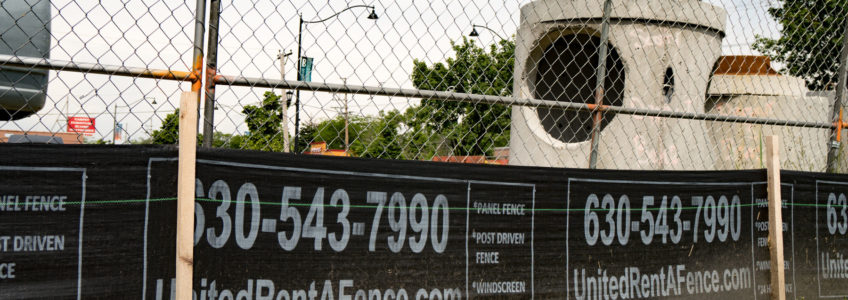
Commercial construction projects in the Midwest face unique challenges during the winter months. Snow, ice, and frequent freeze-thaw cycles complicate on-site operations and increase the risk of environmental damage to surrounding properties. Managing stormwater runoff becomes a critical concern in cities and towns like Chicago, Naperville, Schaumburg, and Aurora, where rapid commercial development meets diverse weather conditions. For commercial construction projects, using a silt fence is essential for protecting neighboring properties, maintaining environmental compliance, and ensuring project success.
This article explores the role of silt fences in winter stormwater management for commercial construction projects, focusing on their ability to prevent erosion, sediment runoff, and water-related disputes with nearby businesses and residents.
Understanding Winter Stormwater Challenges in Commercial Construction
Winter construction projects often occur in high-traffic areas like business parks, shopping districts, and industrial zones. These sites are typically larger and involve significant earth-moving activities, so they pose a higher risk of erosion and sediment runoff—especially in winter.
Here are some common stormwater management challenges for commercial construction during the Midwest winter:
- Snowmelt Runoff: As snow and ice accumulate on the site, they can melt rapidly during brief warm spells, quickly creating large amounts of runoff.
- Frozen Ground and Poor Drainage: Frozen soil reduces the ground’s ability to absorb water, leading to surface runoff that can carry sediment into nearby streets, storm drains, or adjacent properties.
- Erosion from Wind and Snow: High winds and snowstorms can exacerbate soil erosion, particularly on exposed construction sites with disturbed ground.
- Environmental Regulations: Local ordinances, such as those enforced in suburban municipalities like Oak Brook or Downers Grove, often require contractors to implement erosion control measures to prevent runoff from contaminating nearby water systems.
Failing to address these challenges for commercial projects can result in legal penalties, damage to relationships with neighboring businesses, and costly delays. This is where a construction silt fence proves invaluable.
What Is a Construction Silt Fence?
A construction silt fence is a temporary sediment barrier made of permeable geotextile fabric. It is typically installed along the perimeter of a construction site or near areas prone to runoff. The fence is designed to allow water to pass through while trapping sediment and other debris, preventing them from leaving the site.
These fences are particularly effective in controlling erosion and protecting water quality, making them a critical component of stormwater management plans for commercial construction sites.
How Silt Fences Protect Surrounding Properties
Commercial construction projects often occur near office buildings, retail centers, or industrial complexes, where surrounding properties must remain operational and free from disruptions. A poorly managed construction site can lead to runoff issues that damage neighboring properties, create hazards in parking lots, or clog nearby drainage systems. Silt fences help mitigate these risks in several ways:
1. Preventing Sediment Runoff
During the Midwest winter, frequent thawing and refreezing can cause loose soil to break apart and be carried away by runoff. Silt fences act as a first line of defense, capturing sediment before it can leave the site. This is particularly important for projects near busy commercial areas like Schaumburg’s Woodfield Mall or the industrial zones of Joliet, where sediment runoff could disrupt operations or affect public spaces.
2. Minimizing Flood Risks
Snowmelt and rain often pool in low-lying areas, increasing the risk of flooding for neighboring businesses. A properly installed silt fence can slow down water flow, allowing time for sediment to settle and reducing the likelihood of water entering adjacent properties. This is especially critical for construction projects near urban centers like downtown Chicago, where flooding can have significant economic consequences.
3. Preserving Landscaping and Property Value
In suburban areas like Naperville or Glenview, where commercial developments are often surrounded by manicured landscaping, sediment runoff can cause long-term damage to neighboring properties. By preventing sediment and debris from escaping the site, silt fences help preserve the aesthetic appeal and value of surrounding properties, ensuring good relationships with neighboring businesses.
Environmental Compliance and Regulations
In the Midwest, stormwater management is heavily regulated to protect local waterways from pollution. For example, the Illinois Environmental Protection Agency (IEPA) requires construction sites over one acre to have a Stormwater Pollution Prevention Plan (SWPPP), which typically includes sediment control measures like silt fences.
Failing to install or maintain a construction silt fence can result in:
- Fines and Penalties: Non-compliance with local, state, or federal erosion control regulations can lead to costly penalties.
- Project Delays: Unmanaged runoff can cause inspections to fail, delaying progress and increasing costs.
- Reputation Damage: Failing to manage environmental impacts can harm a contractor’s reputation, especially in environmentally conscious communities like Evanston or Oak Park.
Silt fences help contractors comply while demonstrating their commitment to environmental stewardship, which can build trust with local authorities and neighboring property owners.
Best Practices for Silt Fence Installation and Maintenance
For commercial construction projects in the Midwest, proper installation and maintenance of silt fences are essential for effective stormwater management. Here are some best practices:
- Strategic Placement: Install silt fences at the downslope perimeter of the site and around drainage areas to capture the maximum amount of sediment.
- Frequent Inspections: Check fences regularly for tears, sagging, or sediment buildup, especially after heavy snowmelt or rain.
- Reinforcement: Use additional stakes or wire mesh supports to prevent fences from collapsing under the weight of snow or ice.
- Removal After Stabilization: Once vegetation or permanent erosion controls are in place, silt fences should be removed to restore the site’s appearance.
Building Stronger Relationships with Neighbors
For commercial construction projects in the Midwest, a well-maintained construction silt fence is more than just an erosion control tool—it fosters good relationships with neighboring businesses and property owners. By preventing sediment runoff, minimizing flood risks, and maintaining compliance with regulations, contractors demonstrate professionalism and a commitment to minimizing disruptions.
In growing commercial hubs like Aurora, Naperville, and Schaumburg, where construction sites often border busy retail centers or office parks, proactive stormwater management is critical to maintaining harmony in the community. Investing in proper sediment control measures like silt fences is not just an environmental necessity—it’s also a wise business decision.